Clip Art: A Buyer's Guide for Digital Artists
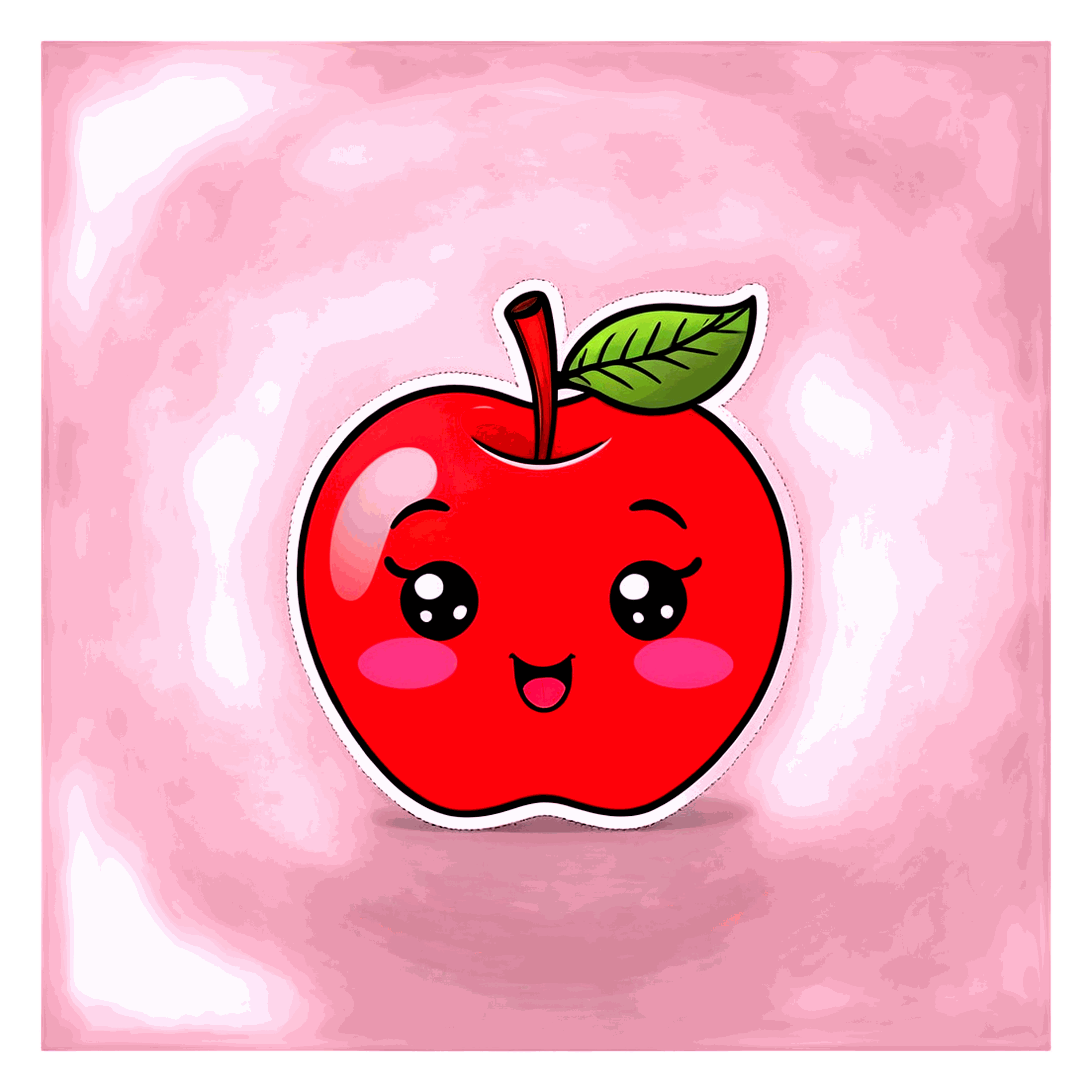
When embarking on your digital art journey, one of the first elements you may consider is clip art. Clipping art can be a versatile tool that enhances your artwork and supports your creative process. This buyer’s guide aims to help you navigate through the vast landscape of clip art options available online, ensuring you make an informed decision tailored for your needs.
What to Look For in Clip Art
When choosing clip art, look for resources with high-resolution images that offer a wide variety of styles and themes relevant to digital art. High resolution ensures that your artwork will be clear and crisp when printed or displayed digitally. It is essential to choose clip art that aligns with the creative direction you are working on.
How to Choose Clip Art
Choosing quality clip art can sometimes feel overwhelming given the number of options available online. Start by defining what kind of digital assets you need for your project. Is it primarily for text formatting or do you require more elaborate illustrations? Each set will offer different types and styles, catering to various design needs.
Practical Uses/ Ideas
Clip art serves multiple purposes in a digital art context. They can be used as backgrounds, decorative elements, or even incorporated into icons and logos. The versatility of clip art makes it an excellent asset for both novice artists who are just starting out and experienced ones looking for quick solutions to enhance their artwork without having to draw from scratch.
Common Mistakes
One common mistake is choosing clip art that is too generic. Generic images do not add much uniqueness or impact to your work, potentially making them appear bland when incorporated into designs. Another frequent pitfall is selecting low-quality clips which can compromise the overall look and feel of your artwork negatively.
Practical Uses/ Ideas Continued
Another common mistake is overlooking the importance of proper licensing. Make sure that any clip art you use complies with copyright laws and license agreements to avoid legal issues down the line.
FAQ
#### Q: How do I know if a set of clip art meets my needs?
A: Review the description provided by the seller or creator to understand what type of designs are included. Look for specific themes, styles, and resolution levels that match your project requirements.
#### Q: Are there any free options available for clip art?
A: There are indeed free resources out there, but they might have limitations such as restricted use cases or lower quality compared to paid options. It's important to weigh these factors against the cost.
#### Q: What are some best practices when using clip art in my projects?
A: Always ensure that you have permission to use any clip art and familiarize yourself with its licensing terms. Proper attribution is crucial for maintaining ethical standards. Additionally, consider altering or editing images slightly before integrating them into your artwork to maintain originality.
Conclusion
Clip art can be a powerful tool when used thoughtfully and ethically. By being selective about the quality, appropriateness, and usage of clip art in your digital artworks, you can elevate both their aesthetic appeal and overall effectiveness. Remember, engaging with clip art should always be done mindfully to ensure it serves its purpose effectively without compromising originality or creativity.